Jabez's
 Judo
Judo


 Welcome to my sports training
 MY SPORTS LEARNING- TARGET PRACTICE

|
JUDO JUDO NAGE NO KATA |
|||||
|
Kodokan Kagami Biraki ceremony 2025 Nage-no-Kata
|
Sode-tsurikomi-goshi
|
Abe Uta | INOUE Kose | ||

Judo is derived from Jujutsu.
|
|
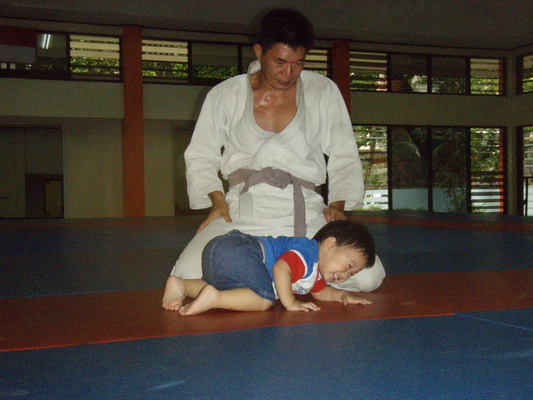
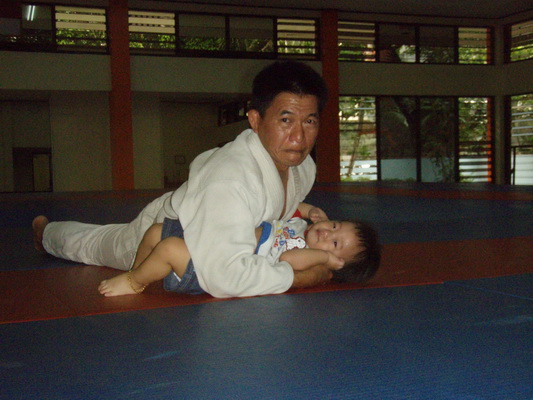
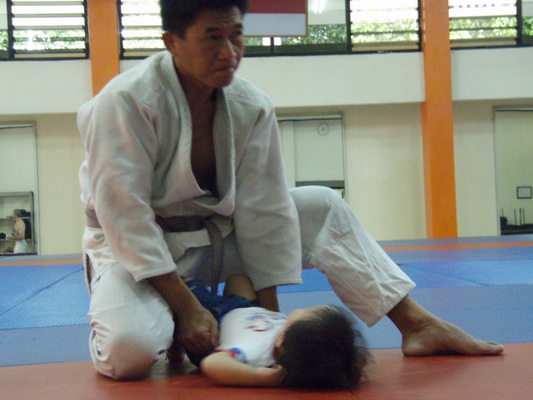
Judo is derived from Jujutsu. It was created by Professor Jigoro Kano who was born in Japan on October 28, 1860 and who died May 4, 1938 after a lifetime of promoting it. Mastering several styles of jujutsu including Kito-Ryu and Tenjin-Shinyo Ryu in his youth he began to develop his own system based on modern sports principles. In 1882 he founded the Kodokan Judo Institute in Tokyo where he began teaching and which still is the international authority. The name Judo was chosen because it means the “gentle or yielding way”. Kano emphasized the larger educational value of training in attack and defense so that it could be a path or way of life that all people could participate in and benefit from. He eliminated some of the traditional jujutsu techniques and changed training methods so that most of the moves could be done with full force to create a decisive victory without injury. The popularity of Judo increased dramatically after a famous contest hosted by the Tokyo police in 1886 where the Judo team defeated the most well-known jujutsu school of the time. It then became a part of the Japanese physical education system and began its spread around the world. Dr. Kano, President of the University of Education, Tokyo, dedicated his life, studied these ancient martial art of Jujutsu and integrated what he considered to be the best of their techniques into what is now the modern sport. |
 |
 |
 |
|
|
ilias iliadis
|
Jabez Judo
|
HATSUYUKI HAMADA | |
| SODE | SHOHEI ONO - THE KILLER | ||
 |
NICE TECHNIQUES |
 |
|

|
|
|||||||||||||||||||||||||||||||||||||||||||||||||||||||||||||||||||||||||||||
|
ACTIVITIES/ SPORTS |
THEORY/ CONCEPTS | PRACTICAL | |||||||||||||||||||||||||||||||||||||||||||||||||||||||||||||||||||||||||||
|
JUDO GRADING
Nage-no-Kata : Names of the techniques |
|||||||||||||||||||||||||||||||||||||||||||||||||||||||||||||||||||||||||||||
| Nage-no-kata World Champions 2022 at #JudoKata | |||||||||||||||||||||||||||||||||||||||||||||||||||||||||||||||||||||||||||||
|
Judo B grading 1
|
Judo Grading 2
|
Judo Grading 3
|
|||||||||||||||||||||||||||||||||||||||||||||||||||||||||||||||||||||||||||
|
1. Te-waza 1. Uki-otoshi Uki Otoshi – See Animation or View Video 2. Seoi-nage Seoi Nage – See Animation or View Video 3. Kata-guruma Kata Guruma – More Details or View Video 2. Koshi-waza
|
|||||||||||||||||||||||||||||||||||||||||||||||||||||||||||||||||||||||||||||
| JUDO |
The 67 Kodokan Judo Throws – Nagewaza The Gokyo no Waza as the standard syllabus of Judo throws originated in 1895. From 1920 to 1982 the Kodokan Gokyo no Waza was made up of 40 throws in 5 groups and these were all of the throwing techniques in the Kodokan syllabus. Around the 100th anniversary of the Kodokan (1982) a group of 8 traditional Judo throws were recognized that had been taken out in 1920, and 17 newer techniques were recognized as official Kodokan Judo throws (called the Shinmeisho no Waza). In 1997 the Kodokan added the last two additional Judo throws to the Shinmeisho no Waza. The following are the only throwing techniques (nage waza) currently recognized by the Kodokan.
|
|
|||||||||||||||||||||||||||||||||||||||||||||||||||||||||||||||||||||||||||
|
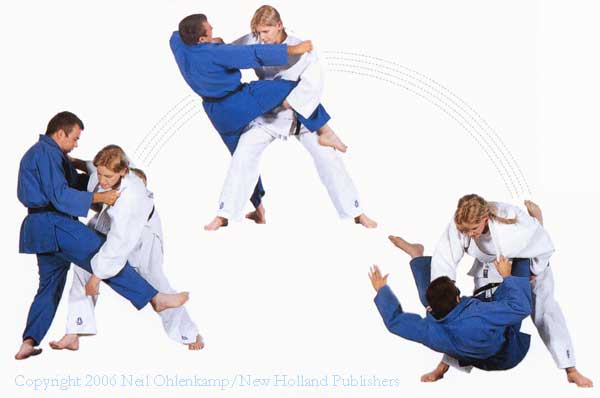
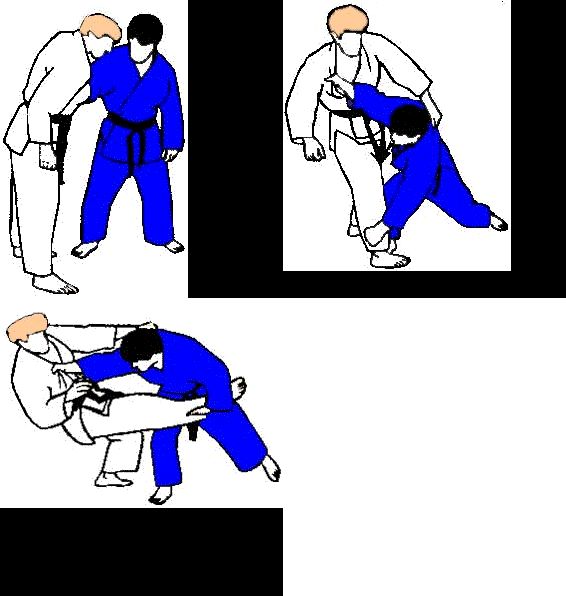
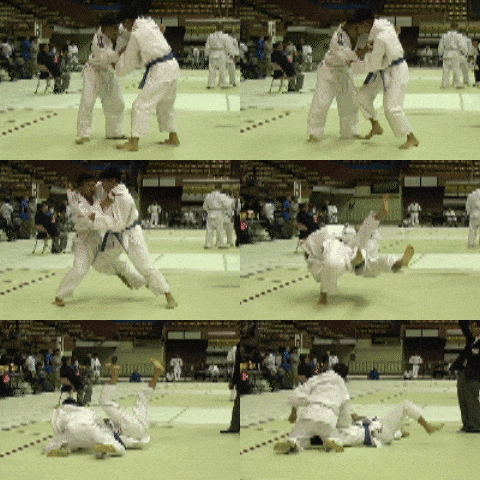
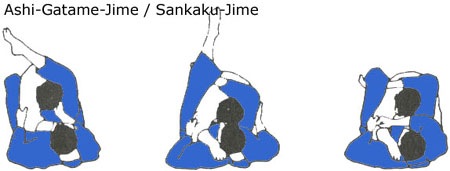
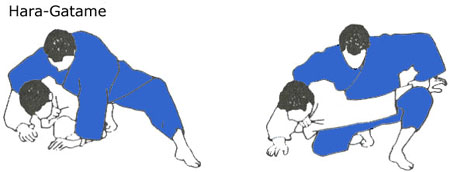
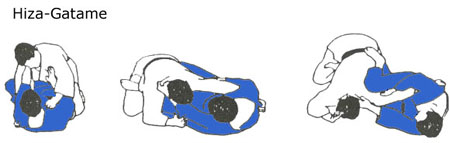
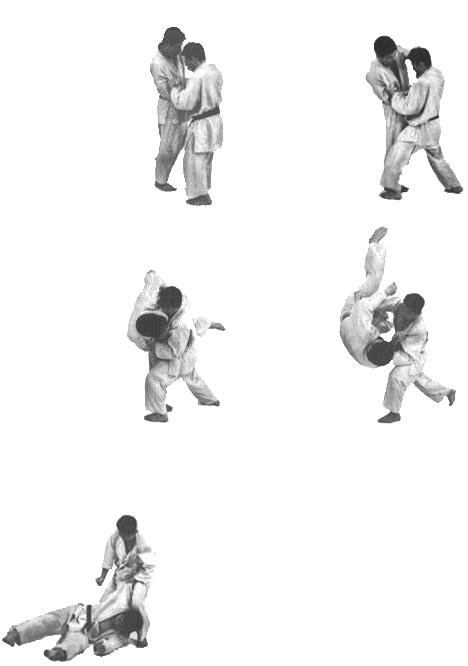
All Judo techniques (wazas) are divided into the following groups: Throwing Techniques: Nage-WazaNage-waza (throwing technique) is a Japanese term for a grappling technique that involves off-balancing or lifting an opponent, and throwing them to the ground. Throws usually involve a pulling and rotating motion, the practitioner performing the throw usually stays balanced on their feet – standing techniques (tachi-waza). However regularly when performing the throw both fighters finish on the ground. Certain throwing techniques called sacrifice throws (sutemi-waza) involve putting oneself in a potentially unfavorable position, such as on the ground, in order to execute a throw. Standing Techniques (Tachi-Waza)Tachi-waza (Standing techniques) are performed from a standing position, which further devided into Te-waza (Hand techniques), Ashi-waza (Foot / Leg techniques), and Koshi-waza (Hip techniques). Hand Techniques (Te-Waza)Te-waza (hand techniques) belong to the Throwing techniques (Nage-waza) group, and effectively performed using the hands/arms to throw the opponent. Hand techniques include: Tai Otoshi (Body Drop) and Ippon Seoinage (One Arm Shoulder Throw). Foot Techniques (Ashi-Waza)Asi-waza (foot/leg techniques) belong to the Throwing techniques (Nage-waza) group. There are different types of leg throwing techniques (Ashi Waza), these include those sweeping, reaping and hookin. Foot techniques include:Uchimata (Inner Thigh Throw)Ouchi Gari (Major Inner Reaping). Hip Techniques (Koshi-Waza)Koshi-waza (hip techniques) belong to the Throwing techniques (Nage-waza) group. The main mechanism of the koshi-waza to get the opponent off balance by pulling or boddy motion and perform the throw with the help of the hip (over the hip). Hip techniques include: Harai Goshi (Sweeping Hip Throw) and Tsuri Goshi (Large Hip Throw). Sacrifice Techniques (Sutemi-Waza)Sutemi-waza (Sacrifice Techniques) is the classification the technique where the performer lands on their back or side to throw the opponent. The Sutemi-waza further divided into Back Sacrifice (Ma-sutemi-waza) and Side Sacrifice (Yoko-sutemi-waza). Back Sacrifice (Ma-Sutemi-Waza)Ma-sutemi-waza is the classification Sacrifice Techniques and translated as rear sacrifice techniques. These techniques originates from the fact that one opponent drops himself on his back (sacrifices himself) in order to execute the throw. Side Sacrifice (Yoko-Sutemi-Waza)Yoko-sutemi-waza (Side sacrifice) is the classification of Sacrifice Techniques and translated as side sacrifice techniques. These techniques originates from the fact that one opponent drops himself on his side (sacrifices himself) in order to execute the throw. Grappling Techniques: Katame-WazaKatame-waza (Grappling techniques) in most cases are applied when both opponents are on the ground/mat, as opposed to Tachi-waza (Standing techniques) which are applied from a standing posture. The Ne waza further divided into 3 types of techniques: Kansetsu-waza (Joint locks), Shime-waza (Choking techniques), and Osae-komi-waza (Pinning techniques). Pinning Techniques (Osaekomi-Waza)Osaekomi-waza (Pinning techniques) is one of the groups of Katame-waza (Grappling techniques). These pins represent different types of hold down techniques when holds another one on his back. Choking Techniques (Shime-Waza)There are three fundamental manners for chokes: compression of the neck-veins which restricts the flow of blood and oxygen to the brain, compression of the trachea,and compression of the chest and the lungs which prevents breathing Joint Locking Techniques (Kansetsu-Waza)Kansetsu-waza (Joint locks) techniques includes joint lock techniques against many joints of the body, contemporary judo only involves kansetsu-waza against the elbow. And one can using legs, arms, and knees, to grasp the opponent’s joint, and bend it in the reverse direction to lock the joint, thereby rendering him virtually helpless. |

 CLICK TO GO TO THE TOP